


On the second day of mourning ceremonies for Iran’s assassinated Supreme Leader, Imam Ali Khamenei, human-rights lawyer Dimitri Lascaris reports directly from Tehran. His footage from the Grand Mosalla—the largest mosque in Iran—shows a side of the country rarely seen in Western media. To read the transcript of this video: FROM IRAN: What Western Media […]
On July 2, human-rights lawyer Dimitri Lascaris returned to Iran for the first time since March — at a moment when the country is preparing for an extraordinary and highly sensitive event. In his first report from Tehran, Lascaris describes the tense atmosphere in the capital, the security measures in place, and why the coming […]
In this video, investigative journalist and human-rights lawyer Dimitri Lascaris examines the latest developments between the United States and Iran — just before returning to Tehran. What is behind the conflicting reports about renewed negotiations? Why does the Strait of Hormuz remain central to the wider crisis? And how is Iran navigating the pressure of […]
In this interview, our senior editor Zain Raza speaks with journalist and human-rights lawyer Dimitri Lascaris about the geopolitical crises reshaping the world: the U.S. war with Iran, the new agreement with Tehran, the influence of the Zionist lobby on U.S. foreign policy, Gaza, and the latest UN findings. They also analyse the narrative that […]
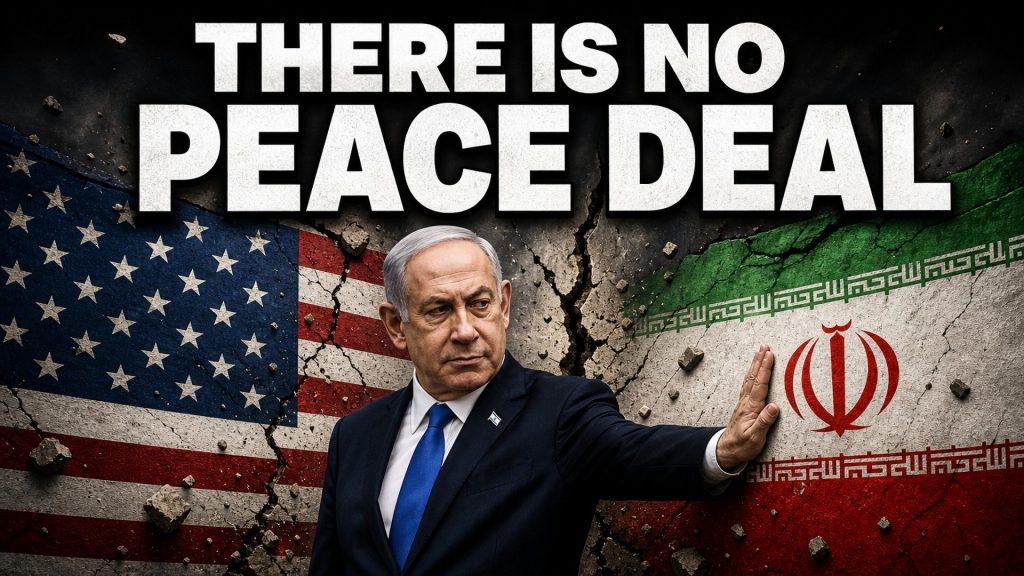
Human rights lawyer Dimitri Lascaris examines the agreement between the Islamic Republic of Iran and the Trump administration, announced on Sunday, June 14 — at the very moment Tehran was reportedly preparing a massive missile strike on Israel after Israel’s renewed bombing of Beirut crossed Iran’s red lines. According to Lascaris, Trump appears to have […]

In this report, Dimitri Lascaris documents two locations in South Lebanon: On 5 June 2026, he reports from Tyre/Sur on destroyed clinics, a damaged hospital, deserted roads, and the deadly danger facing rescue workers, paramedics, and civilians. His journey later takes him to Saksakiyeh, a village north of Tyre/Sur that was hit again by Israeli […]
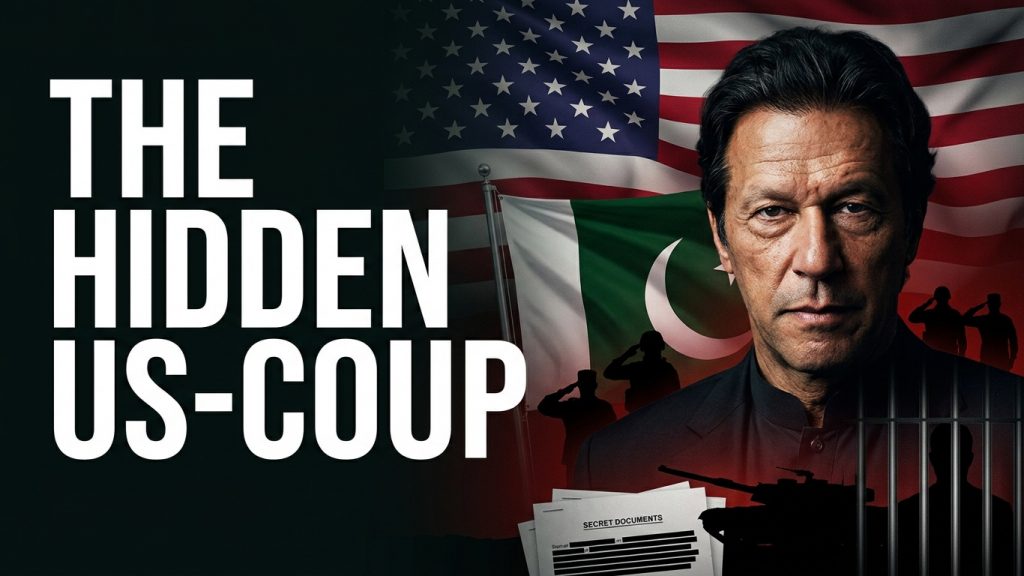
In this exclusive interview, human rights lawyer and journalist Dimitri Lascaris speaks with Aleema Khan, the sister of ousted Pakistani Prime Minister Imran Khan. Khan is currently serving a 14-year prison sentence and, according to his family, is being held in near-total isolation. Was his removal merely an internal political power struggle or part of […]
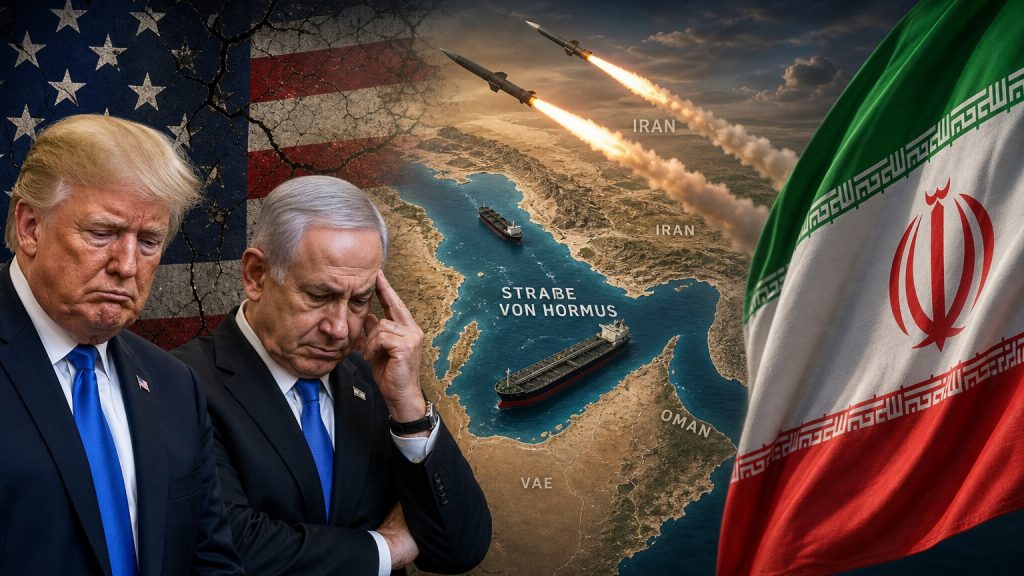
In this video, investigative journalist and human rights lawyer Dimitri Lascaris analyzes the growing military, economic and political setbacks for the United States and Israel in the war against Iran. At the center are reports of major U.S. Air Force losses, the escalating crisis surrounding the Strait of Hormuz, growing political pressure inside the United […]
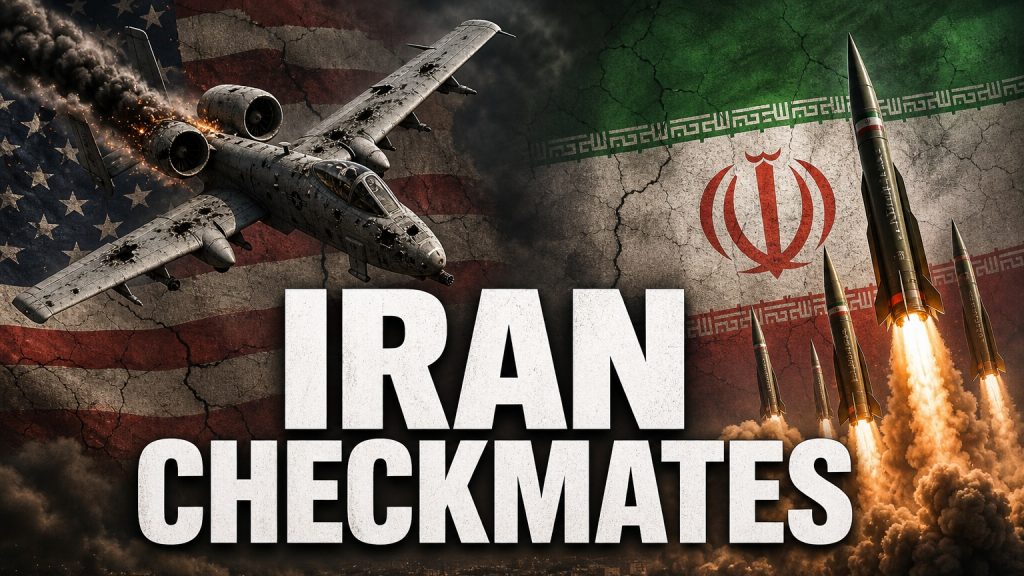
Iran has responded to Trump’s latest “peace proposal” — and the reaction from Washington was explosive. Donald Trump called the Iranian counteroffer “garbage” and publicly stated that he did not even bother reading the entire document. At the same time, Robert Kagan, one of the most influential US neoconservatives, acknowledged in a remarkable article that […]