


In this interview with Pulitzer Prize–winning journalist Chris Hedges, economist and former Greek finance minister Yanis Varoufakis discusses the far-reaching economic consequences of the Iran war. The conversation explores rising energy prices, potential disruptions to global trade routes, and the risk of a worldwide financial crisis. Varoufakis examines structural vulnerabilities in the global economy, geopolitical […]
In this video, Pulitzer Prize–winning journalist Glenn Greenwald analyzes the latest developments in the war between the United States, Israel, and Iran. Reports of attacks on key infrastructure and severe impacts on civilians raise serious questions about the official narrative. What is really happening on the ground—and why is it being framed as “liberation”? Greenwald […]
In this video, investigative journalist and human rights lawyer Dimitri Lascaris analyzes the latest developments in the war between the United States, Israel, and Iran. New reports of Iranian missile attacks, rising tensions in the Persian Gulf, and possible weaknesses in air defense systems raise a crucial question: What is really happening behind the headlines? […]
In this video, Pulitzer Prize–winning journalist Chris Hedges interviews Prof. John Mearsheimer, a political scientist at the University of Chicago, about the escalating conflict between the United States, Israel and Iran. In the conversation, Mearsheimer analyzes the military situation, possible strategic miscalculations by Washington, and the risks of further escalation—raising the question of whether the […]
In this video, investigative journalist and human rights lawyer Dimitri Lascaris examines the seventh day of the war between the United States, Israel, and Iran. Drawing on footage, battlefield reports, and emerging developments, he explores what may lie behind the reported Iranian missile and drone strikes on targets in Israel and on U.S. facilities in […]
In this video, journalist and human rights lawyer Dimitri Lascaris examines the economic consequences of the war between the United States, Israel and Iran. Looking at recent developments, he explains why the conflict could have far greater implications for the global economy than many currently expect. The analysis explores the strategic importance of the Strait […]
In this video, investigative journalist and human rights lawyer Dimitri Lascaris analyzes the first days of the war waged by the United States and Israel against Iran. Drawing on satellite images, media reports, and military developments, he explains why the conflict may be unfolding very differently than many expect—and which events in its early days […]

Written by Jeffrey Sachs To read the original text in English visit the following link: https://www.commondreams.org/opinion/united-nations-israel-us-attack-iran ABOUT JEFFREY D. SACHS Jeffrey D. Sachs is University Professor and Director of the Center for Sustainable Development at Columbia University, where he directed the Earth Institute from 2002 until 2016. He is President of the UN Sustainable Development […]
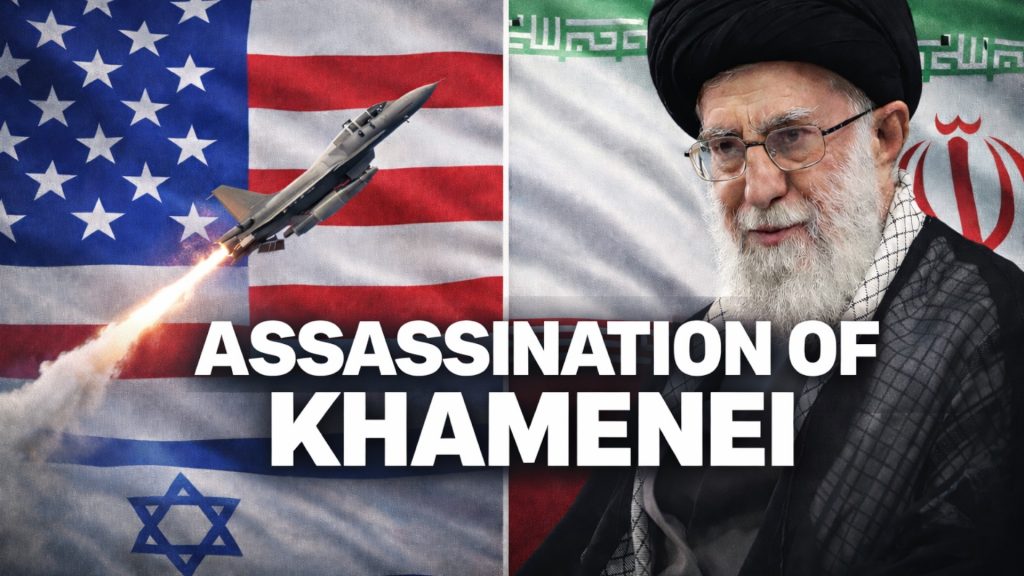
In this video, human rights lawyer Dimitri Lascaris and political analyst Rami Yahia analyze the assassination of Iranian Supreme Leader Ali Khamenei and several family members—and the possible consequences for Iran’s succession process and nuclear policy. Was the killing of the man who issued a fatwa against nuclear weapons a strategic turning point in an […]